Food-grade PET preforms are an essential starting point for producing plastic bottles used in water, beverages, cooking oil, and other food packaging applications. Although a preform may look like a small plastic tube, its material quality, dimensions, weight, and molding consistency can directly affect the performance of the finished bottle.
For bottling companies, packaging manufacturers, and wholesale buyers, choosing the right food-grade PET preform supplier is about more than purchasing a product at a competitive price. It also involves evaluating raw materials, production consistency, food-contact requirements, and compatibility with downstream bottle-blowing processes.
This guide explains what buyers should consider when sourcing food-grade PET preforms and how to select products that meet their production needs.
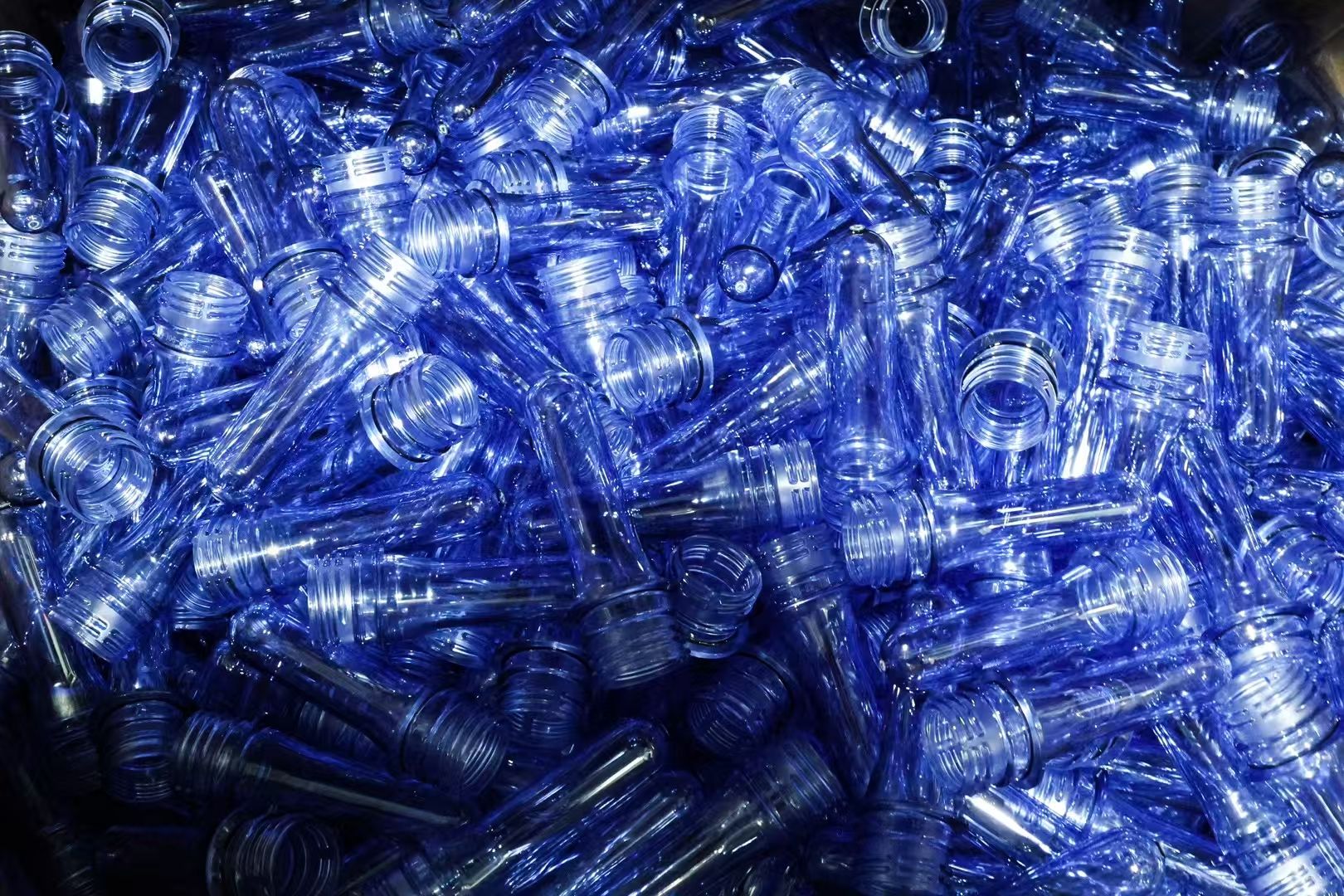
1. What Are Food-Grade PET Preforms?
A food-grade PET preform is an intermediate plastic component made from polyethylene terephthalate (PET) resin intended for manufacturing bottles or containers that come into contact with food or beverages.
During production, PET resin is injection molded into a preform with a finished neck and threaded opening. The preform is then heated and stretch-blow molded into its final bottle shape.
Food-grade PET preforms are commonly used for:
- Bottled water and drinking water containers
- Carbonated and non-carbonated beverage bottles
- Juice and other liquid food packaging
- Cooking oil and edible oil bottles
- Condiment and sauce bottles
- Large-capacity water bottles and jugs
The required material and product specifications depend on the intended contents, filling conditions, and destination market. Buyers should confirm that the selected PET resin and finished preforms are suitable for their specific food-contact application.
2. Why Does Material Quality Matter in PET Preforms?
Suitable Raw Materials for Food Contact
Raw material selection is a fundamental consideration when purchasing food-grade PET preforms. The resin must be suitable for the intended application and meet the applicable food-contact requirements.
When evaluating a supplier, buyers should ask about the PET resin used, its intended application, and the availability of relevant compliance declarations or test documentation.
For products made with recycled PET (rPET), buyers should also verify that the recycled material and manufacturing process are approved for the intended food-contact use in the destination market.
Consistent Bottle Performance
The quality of a PET preform influences the consistency of the bottle-blowing process. Variations in material properties, preform weight, wall distribution, or dimensions may affect how the preform stretches during molding.
Consistent preforms help bottling manufacturers maintain more predictable production conditions and reduce the need for repeated process adjustments.
Appearance and Product Quality
For transparent packaging, resin quality and processing conditions can influence the clarity and appearance of the finished bottle. Color consistency and surface quality may also matter for brands that require uniform packaging across different production batches.
Selecting suitable raw materials and maintaining consistent manufacturing parameters can help support the appearance and functional requirements of the final container.
3. Key Quality Factors to Check Before Purchasing PET Preforms
When comparing PET preform manufacturers, B2B buyers should evaluate more than the product price.
Preform Weight and Dimensions
Preform weight, overall dimensions, and wall distribution should match the intended bottle design and molding process. These factors can affect material usage, bottle strength, and the consistency of the finished container.
Before placing an order, confirm the required weight, dimensions, neck finish, and tolerance specifications with the supplier.
Neck Finish and Closure Compatibility
The neck finish determines how the bottle connects with its cap or closure. Thread specifications, neck dimensions, and sealing surfaces must be compatible with the intended closure system.
For manufacturers producing bottles at scale, compatibility is especially important because neck inconsistencies can create problems during capping, sealing, and filling operations.
Color and Transparency
Clear PET preforms are widely used for bottled water and many beverage applications. Other applications may require specific colors to support product identification or brand presentation.
Buyers should communicate their color requirements and evaluate samples before confirming bulk orders, particularly when maintaining consistency across multiple production runs is important.
Production Inspection and Batch Consistency
A reliable PET preform supplier should be able to explain its quality inspection procedures and the product specifications it controls.
Depending on the product and application, relevant checks may include weight, dimensions, neck finish, visual appearance, and other agreed technical requirements. Buyers should also clarify how production batches are identified and how quality records are maintained.
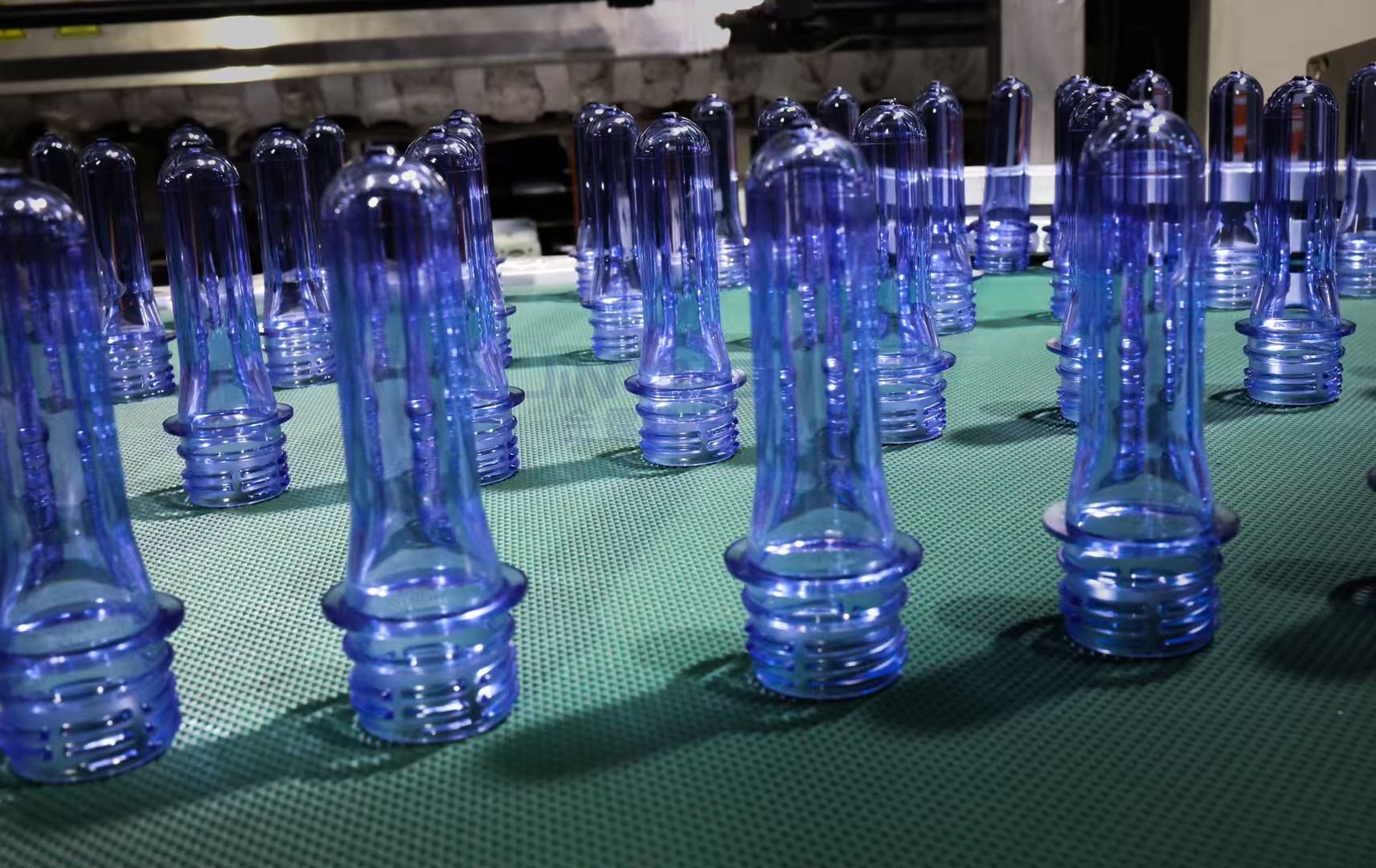
4. Food-Grade PET Preforms for Different Applications
Different bottle applications require different preform specifications. Choosing a suitable product begins with understanding the finished container and its operating conditions.
| Application | Key considerations |
|---|---|
| Bottled water | Clarity, weight consistency, neck finish, and compatibility with bottle-blowing equipment |
| Beverage bottles | Bottle design, molding performance, filling conditions, and closure compatibility |
| Cooking oil bottles | Required capacity, bottle strength, material suitability, and resistance to handling conditions |
| Large-capacity water bottles | Preform weight, neck diameter, wall distribution, and finished-bottle strength |
| Custom food packaging | Bottle design, resin suitability, dimensions, color, and destination-market requirements |
For large-capacity containers, including 5-gallon water bottles, buyers may need to pay particular attention to preform weight, neck dimensions, material distribution, and the performance requirements of the finished bottle.
A preform should always be evaluated against the intended bottle design rather than selected by weight or appearance alone.
5. How to Choose the Right PET Preform Manufacturer
Selecting a suitable supplier can help buyers maintain product consistency and coordinate packaging production more effectively. Consider the following factors during supplier evaluation.
1. Product range and customization
Check whether the supplier can provide the required preform weights, neck finishes, dimensions, colors, and other specifications. For custom bottle projects, confirm whether the supplier can work from technical drawings or samples.
2. Manufacturing and quality control
Ask about the production process, inspection procedures, specification tolerances, and batch consistency. Request samples when practical so that your technical team can evaluate product compatibility before mass production.
3. Technical communication
A capable supplier should be able to discuss your bottle capacity, neck finish, target weight, intended contents, and bottle-blowing process. Clear technical communication helps reduce specification errors during procurement.
4. Documentation and traceability
For food-contact applications, confirm which material documents, compliance declarations, and test reports are available. Discuss batch identification and the handling of quality issues before confirming the order.
5. Supply capacity and delivery requirements
Evaluate production lead times, order quantities, packaging methods, and delivery arrangements. These factors are particularly important for bottling manufacturers with recurring production schedules.
6. Custom PET Preforms for Your Bottle Manufacturing Needs
Standard PET preforms may suit established bottle designs, while custom projects may require specific weights, neck finishes, colors, or dimensions.
When requesting a quotation, buyers can prepare the following information to help suppliers assess the project:
- Intended application and contents
- Finished bottle capacity and design
- Required preform weight and neck finish
- Preferred material and color
- Estimated order quantity and purchasing frequency
- Destination market and applicable food-contact requirements
- Technical drawings or physical samples, if available
Providing these details helps the manufacturer evaluate the requested specifications and recommend a suitable preform for the intended bottle-blowing process.
Conclusion
Choosing the right food-grade PET preforms is an important step in producing consistent and suitable food and beverage packaging. Raw material selection, dimensional accuracy, neck-finish compatibility, production inspection, and food-contact documentation all deserve careful consideration.
For bottling companies and packaging buyers, the best purchasing decision balances product requirements, manufacturing compatibility, quality consistency, and supply reliability—not price alone.
Looking for a PET preform supplier for your next bottle manufacturing project? Share your application, required specifications, and target quantity to discuss suitable food-grade PET preforms, custom PET preforms, and wholesale PET bottle preform solutions.